welcome14


zzzzzzzzzzzzzzzzzzzzzzzzzzWe don't want you buying the wrong stuff!

BEWARE: There are many hustling salesmen ready to take advantage of your lack of knowledge and make a quick buck at your expense. We hear horror stories about people buying all sorts of equipment they don't really need.

There are so many different pieces of equipment available that it is quite formidable to choose the correct pieces for your own special recording needs. If you are prepared to wait a bit, AIA will gladly help you make the right choice when the time comes.

However, if you are determined to set up a home studio right away, we can recommend a certain minimum of equipment so that you can practice as you learn. If you have not yet started putting together your studio, here are some of AIA's suggestions:

Minimum equipment recommendations

• Recent computer
• Microphone
• Recording software capable of multitrack recording and mixing. (Some available for free on the Internet)
• Audio interface or a digital audio workstation (DAW)
• Headphones and monitor speakers

Dynamic and Condensor Microphones

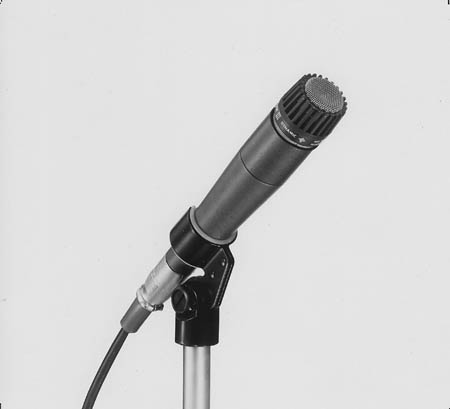
The Shure SM57 is possibly the best all-round general purpose microphone there is. It sounds great on drums and guitar amps in particular, but you can use it on almost anything including vocals.

SM57

Unless your music is purely electronic, you should have at least one dynamic mic in your studio. In live sound, this mic is an everyday staple. (And the SM57 is inexpensive).

One point to remember. The full and punchy sound of this mic doesn't quite capture all the extreme high frequencies in such instruments as cymbals or tamborines.

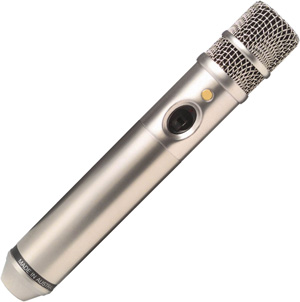
The Rode NT3 is a condenser microphone with a wider frequency response than any dynamic mic. This mic has a crisp sound and is very versatile, capable of capturing a clean representation of any sound source. It is especially good for recording vocals.

RodeNT3

Nearly all professional studios use at least one condenser microphone and the Rode sound can be heard on many recent hit recordings. It puts you in the same league as all the top professionals.

If you have never heard a condenser microphone before, you may be surprised at the difference in sound between a dynamic mic and a condenser mic. Both have their own distinctive quality.

An interface will link your microphone and instrument to your computer

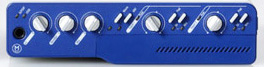
Pro Tools computer software is used in just about every recording studio around the world. The inexpensive version is Pro Tools 2 with the Mbox interface.

mbox2

The Digidesign Mbox 2 is an audio interface for your Windows or Macintosh computer. It comes with Pro Tools LE recording and editing software. The Mbox 2 has two microphone preamplifiers and also line level and instrument inputs.

However, if you need to record eight microphones simultaneously (mabe the whole band) then you need an multi-channel analog-to-digital microphone preamplifier such as the Focusrite Octopre LE.

octoprele

This is an 8-channel mic-preamplifier. As well as mic and line level inputs, it also has two instrument inputs for electric guitars or synthesizers.

If you never record more than two sounds at a time (maybe just guitar and vocal) then you don't need this.

A Digital Audio Workstation (DAW) and a Monitor System

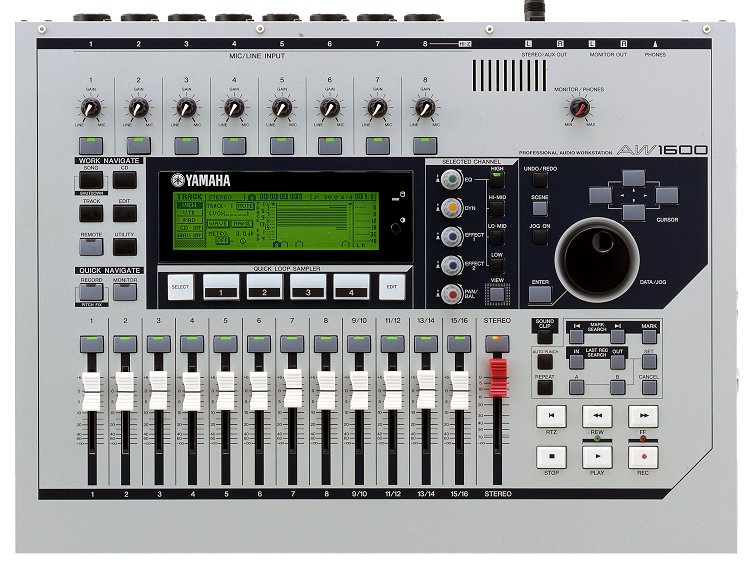
For those who prefer not to use a computer for recording, you can use a Hard Disk Recorder such as the Yamaha AW1600 16-Track machine. It is a self-contained mixer and recorder with eight mic/line inputs and 16 recordable tracks.

AW1600

As this digital audio workstation (DAW) already has eight microphone inputs, you would not need to purchase an additional mic preamplifier.

Furthermore, the Yamaha AW1600 has an internal CD-recorder, so you can record your finished mixes direct to CD.

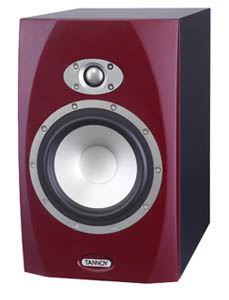
The final piece in the recording chain is the monitor system. This allows you to listen to everything as you are recording and mixing. The most important fact regarding the choice of speakers is their ability to reproduce all sounds as faithfully as possible - with no coloration added.

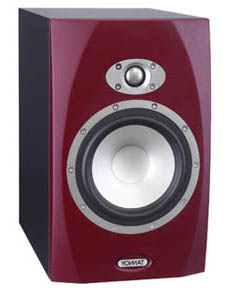
Tannoy Tannoyright

There may be other, nicer-sounding speakers out there but if they don't reproduce the true sound, then they are not ideal to use for recording or mixing. You will not make great sounding recordings if you use them.

We at AIA hold Tannoys in high regard. They have been the golden ears in British recording studios since the sixties. A pair of Tannoy Reveal 6 active monitors (pictured above) contain their own power amplifier so you wouldn't need to purchase this additional item.

Remember - AIA can help you choose the right equipment when the time comes.

It's not what you have - it's how you use it!

Approved and licensed by the State of California
Bureau for Private Postsecondary and Vocational Education

Accredited Member of:
National Academy of Recording Arts and Sciences (N.A.R.A.S. )
Society of International Recording Engineers (SIRE)

studentsbutton programbutton home linksbutton contactbutton

Audio Institute of America - 814 46th Avenue, San Francisco, CA 94121

TEL/FAX (415)752-0701 audioinst@earthlink.net

© Audio Institute of America 2008
All rights reserved

Problems? Contact webmaster